
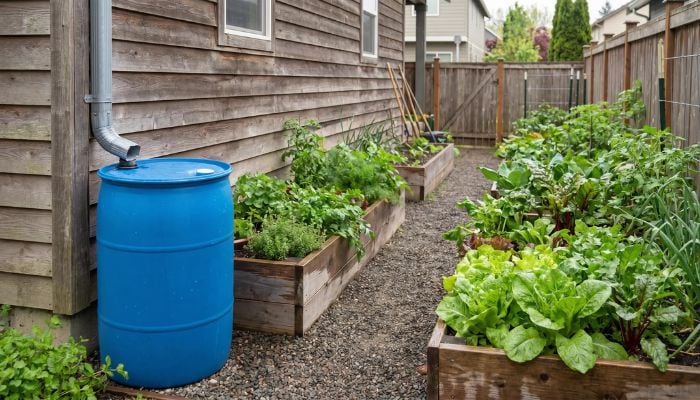
Rainwater harvesting for your garden is one of the easiest ways to make your backyard more resilient. Instead of watching a good rain run off the roof and disappear into the yard, you can store part of it in a barrel and use it later for raised beds, containers, fruit bushes, herbs, and thirsty landscape …
Jamie
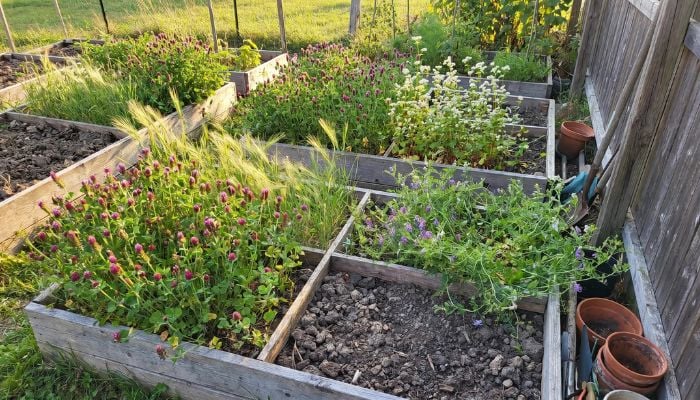
Planting cover crops for home gardens is one of the easiest ways to keep soil alive when a vegetable bed would otherwise sit bare. Instead of leaving rain, wind, weeds, and temperature swings to work on exposed ground, you plant a temporary crop that protects the bed, feeds soil organisms, and can add organic matter …
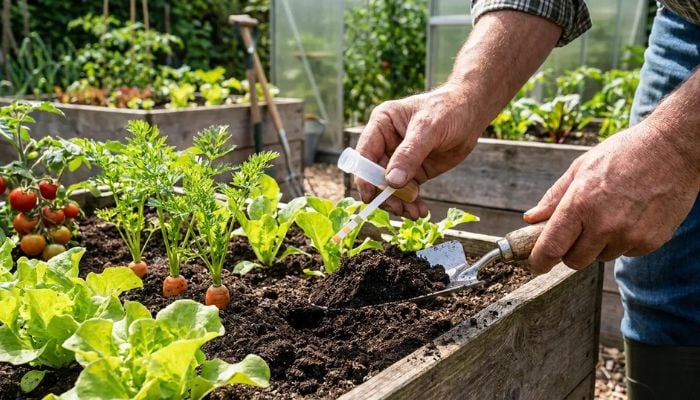
If your garden looks like it should be thriving but your plants keep stalling, yellowing, or producing poorly, the problem may not be water or fertilizer. It may be pH. Learning how to test soil pH gives you a clearer picture of what your plants can actually use from the soil they’re growing in. Soil …
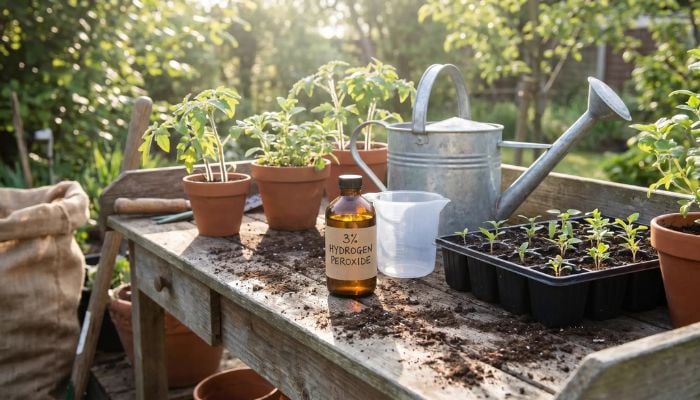
Using hydrogen peroxide for plants can be good for your garden when it’s diluted correctly and used for the right job. Because common 3% hydrogen peroxide breaks down into water and oxygen, gardeners sometimes use it to add temporary oxygen to soggy soil, support stressed roots, clean seed trays, and reduce surface-level pathogens on tools …
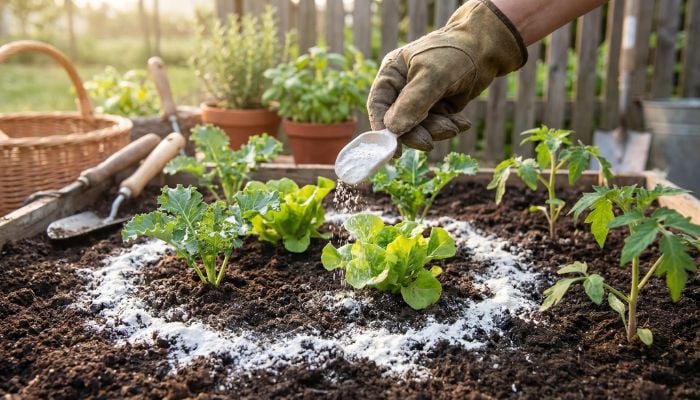
If you garden long enough, something will eventually start chewing holes in your leaves. With a little research, you’ll likely stumble across diatomaceous earth, but it sounds almost too easy: dust a little white powder, wait, and let the bugs dry out. There is some truth to that, but diatomaceous earth works best when you …
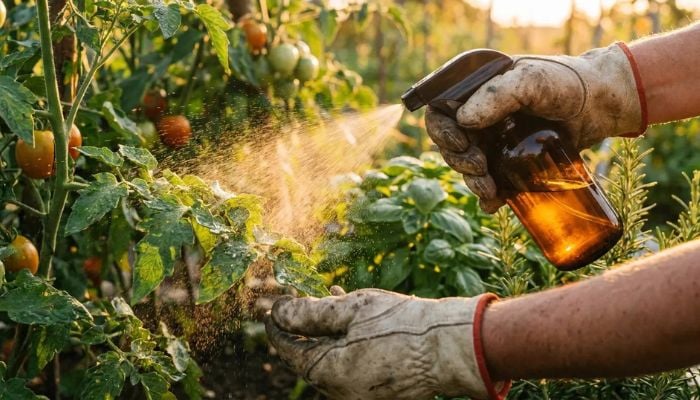
Neem oil is one of the most effective natural pesticides and fungicides available to home gardeners, and it’s surprisingly easy to use. This guide covers how to use neem oil on plants the right way, from mixing the perfect spray recipe to timing your applications for maximum results. Whether you’re battling aphids, powdery mildew, or …
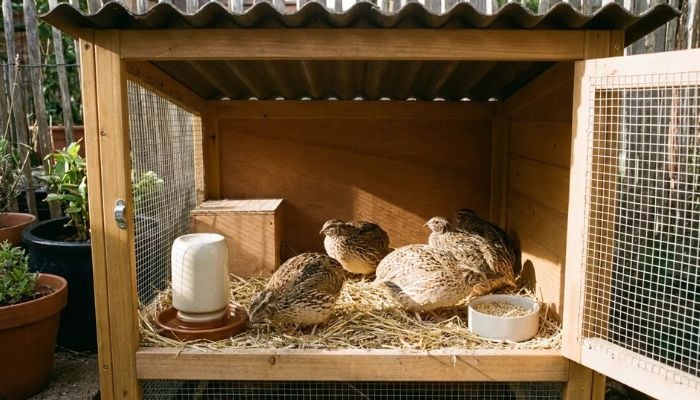
If you’ve been researching small backyard livestock and have considered chickens and rabbits but are worried about noise or space, Coturnix quail might be exactly what you’re looking for. These compact, quiet birds start laying eggs at just 6–8 weeks old, making them one of the fastest-producing animals you can keep in a backyard or …
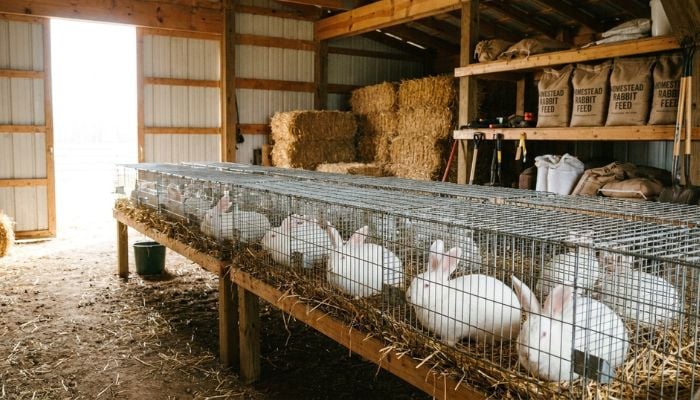
If you’ve been thinking about adding livestock to your homestead but don’t have the space or budget for pigs or cattle, learning how to raise meat rabbits might be the smartest move you can make this year. Rabbits are quiet, compact, and shockingly efficient. They can convert feed to meat faster than almost any other …
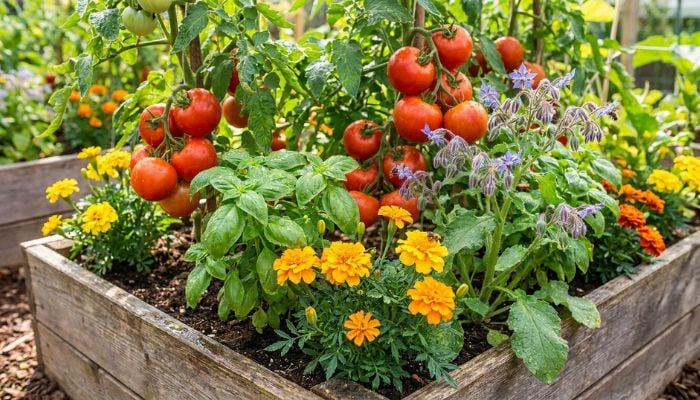
Tomatoes are the most popular vegetable in the American home garden, and nearly everyone has an opinion on what to grow next to them. The truth is that if you plant the right neighbors, your tomatoes will produce better, handle pests more naturally, and come through the season healthier. Plant the wrong ones, and you …
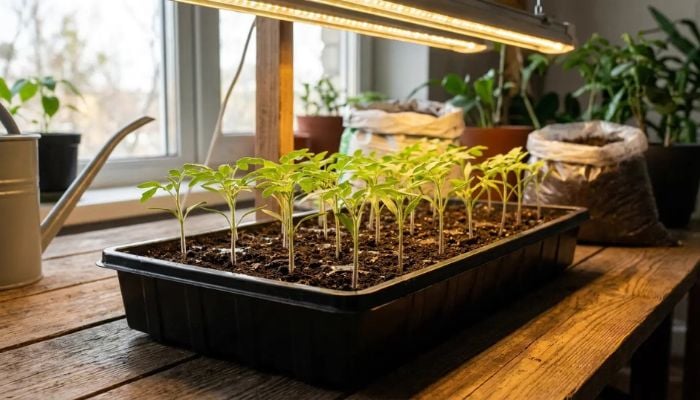
Buying tomato transplants from a nursery is perfectly fine, but once you’ve grown your own from seed, it’s hard to go back. You get access to hundreds of varieties you’ll never see on a nursery shelf, such as heirlooms, paste tomatoes, tiny cherries in every color, and low-acid varieties the grocery store doesn’t carry. You …