
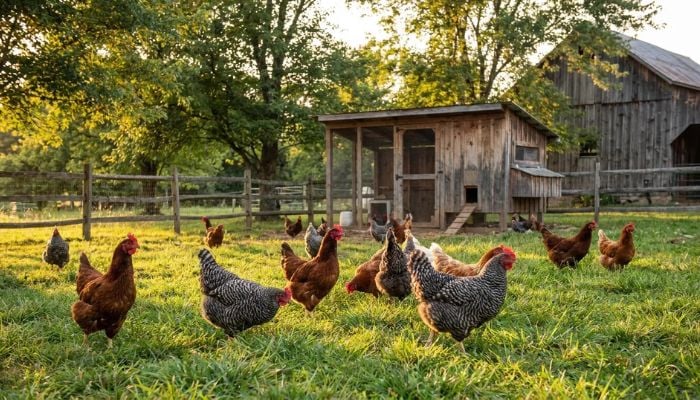
Starting a backyard flock is one of the most rewarding things a homesteader or hobby farmer can do. You’ll enjoy fresh eggs, natural pest control, and endlessly entertaining birds.
But open a hatchery catalog or scroll through a breed list online, and the options can feel overwhelming fast with hundreds of breeds, each with its own quirks, needs, and traits.
For beginners, the decision is actually pretty simple. A handful of breeds have been crowd-tested by backyard flock owners for years and consistently earn the same reviews: calm, adaptable, productive, and forgiving of rookie mistakes.
This guide profiles the best chicken breeds for beginners, covering egg production, temperament, hardiness, and size for each. Whether you want a small flock of friendly hens or a productive egg-laying operation, there’s a breed here for you.
What Makes a Good Beginner Chicken Breed?
Not all chicken breeds are ideal for backyard flocks, especially when you’re just starting out (see our backyard chickens for beginners guide for expert tips).
A breed that works well in a commercial operation isn’t necessarily a good fit for a small backyard coop. Here’s what to look for when you’re choosing your first birds:
- Temperament. Docile, friendly birds are much easier to manage. They’re less likely to stress themselves (and you) out, less likely to bully flock-mates, and more likely to become true backyard pets that your kids can handle.
- Egg production. Most beginners want eggs. That’s usually the whole point. Look for breeds that lay consistently through most of the year, with good production numbers (ideally 200+ eggs per year).
- Hardiness. Can the breed handle your climate? Some breeds are cold-hardy but struggle in heat. Others thrive in warm climates but need extra shelter in winter. Beginners benefit from breeds with a wide tolerance range.
- Size and feed efficiency. Larger birds eat more. For a backyard flock, medium-sized dual-purpose breeds usually hit the sweet spot: enough size if you want meat and great egg production without breaking the feed budget.
- Noise level. If you have neighbors, this matters. Some breeds, especially the Mediterranean egg-layers, are vocal and flighty. Calm, heavier breeds tend to be quieter.
The Best Chicken Breeds for Beginners
Rhode Island Red
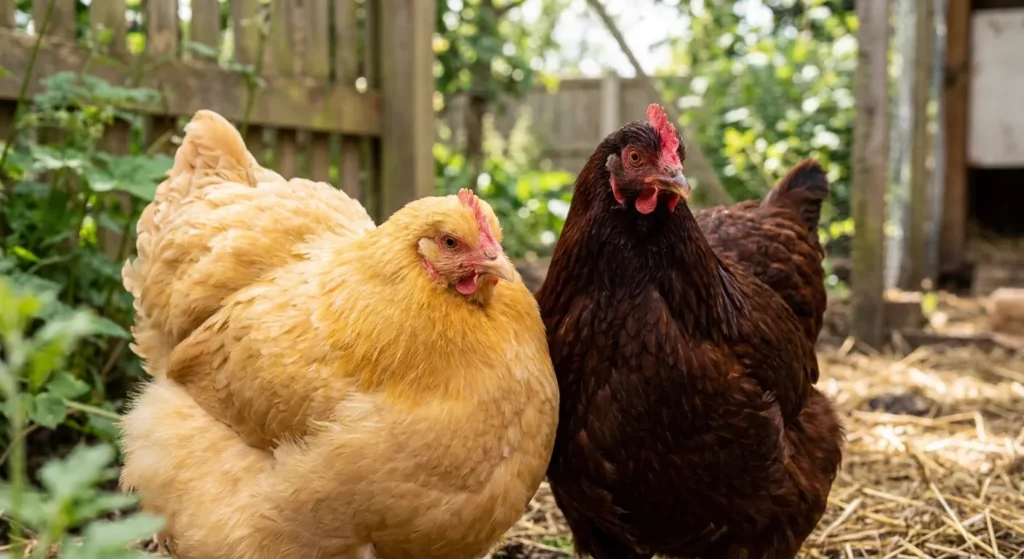
The Rhode Island Red is one of the most popular chicken breeds in America for good reason: it’s the ultimate workhorse. Originally developed in New England in the late 1800s, this breed was built for real farm life. These birds are hardy, productive, and adaptable.
- Eggs: 250–300 large brown eggs per year
- Temperament: Active and curious; can be assertive in a mixed flock
- Hardiness: Excellent cold hardiness; tolerates heat reasonably well
- Size: Medium-large (6–8 lbs.)
Rhode Island Reds are consistent layers even through winter, which makes them a standout in colder climates. The hens are active foragers and do well in free-range or large run setups.
One note: Roosters and some hens can be on the feisty side, so if you have young children, keep an eye on flock dynamics.
Buff Orpington
Ask any experienced backyard flock keeper to name a beginner breed, and Buff Orpington comes up almost every time. These big, fluffy golden birds are the golden retrievers of the chicken world. They’re gentle, affectionate, and easy to handle.
- Eggs: 200–280 large brown eggs per year
- Temperament: Exceptionally docile and friendly; goes broody often
- Hardiness: Excellent cold hardiness; can struggle in extreme heat
- Size: Large (7–10 lbs.)
Buff Orpingtons are dual-purpose birds, heavy enough to make decent meat birds while still being reliable layers.
Their calm temperament means they tend to rank low in the pecking order, so avoid pairing them with aggressive breeds. Their thick feathering keeps them warm in winter but can cause overheating in hot, humid summers.
Plymouth Rock (Barred Rock)
The Plymouth Rock, most commonly seen in its barred black-and-white pattern, is an American classic that’s been a staple of backyard flocks since the 1800s. These birds combine solid egg production with a friendly, curious personality that makes them a genuine pleasure to keep.
- Eggs: 200–280 large brown eggs per year
- Temperament: Calm, friendly, and curious; good with children
- Hardiness: Excellent cold hardiness; good heat tolerance
- Size: Medium-large (7–9 lbs.)
Plymouth Rocks are arguably the most well-rounded beginner breed on this list. They lay consistently, handle a variety of climates well, and adapt to confinement or free-range equally.
They’re also dual-purpose, making them a smart choice if you ever want to raise some birds for meat alongside your laying flock.
Australorp
The Australorp holds a world record for egg production. One hen once laid 364 eggs in 365 days! But beyond the stats, these calm, glossy black birds are some of the easiest chickens you’ll ever keep.
- Eggs: 250–300 large brown eggs per year
- Temperament: Very docile and quiet; one of the gentlest breeds
- Hardiness: Good cold hardiness; tolerates heat better than many heavy breeds
- Size: Medium-large (6–8 lbs.)
Australorps were developed in Australia from Black Orpington stock, specifically to maximize egg production in a dual-purpose bird. They’re consistent layers, heat-tolerant compared to their Orpington relatives, and extremely calm.
If top egg production and great temperament are your priorities, the Australorp belongs at the top of your list.
Easter Egger
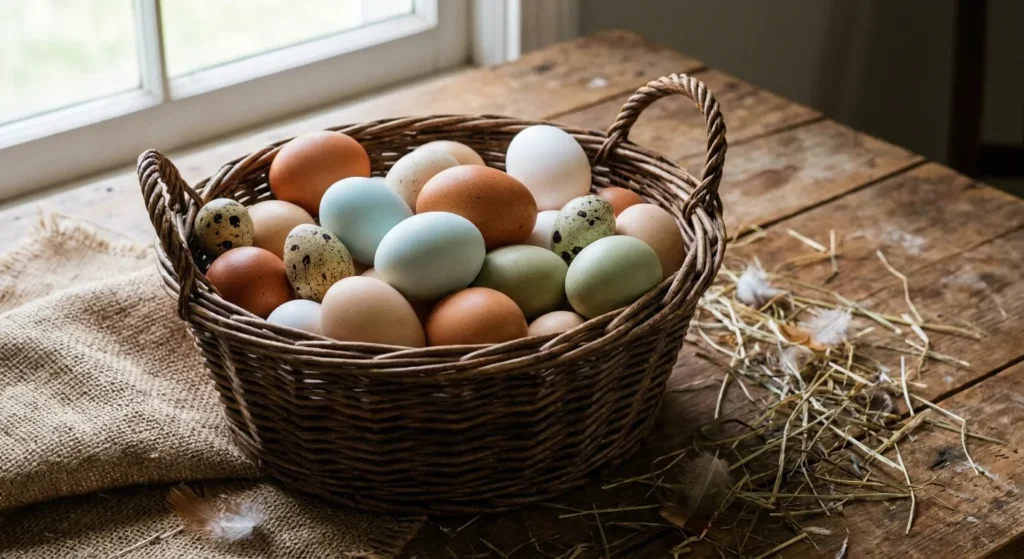
Easter Eggers aren’t a recognized breed. They’re mixed-heritage birds with Ameraucana or Araucana genetics that produce blue, green, pink, or olive-colored eggs.
They’re wildly popular with backyard flock keepers because no two birds look alike, no two egg colors are identical, and they’re genuinely fun to keep.
- Eggs: 200–280 medium eggs per year (in various colors)
- Temperament: Generally friendly and curious; personality varies from bird to bird
- Hardiness: Good overall; adapts well to most climates
- Size: Medium (5–7 lbs.)
Easter Eggers are conversation starters. If you have kids, they’ll love collecting blue and green eggs from the nest box. These birds tend to be friendly and good-natured, though individual temperament varies more than in standardized breeds.
They’re not quite as consistent in production as Rhode Island Reds or Australorps, but they’re a great addition to any mixed flock.
Sussex
The Sussex is a classic English breed that’s been around for well over a century, and it earns its longevity. Speckled Sussex, which are white with dark speckles, are the most popular variety in backyard flocks, though Light Sussex and other colors are available.
- Eggs: 200–250 large brown or tinted eggs per year
- Temperament: Calm, curious, and very friendly
- Hardiness: Excellent cold hardiness; good heat tolerance
- Size: Medium-large (7–9 lbs.)
Sussex hens are known for continuing to lay through the winter months better than many breeds. They’re excellent foragers, curious about everything, and tend to become quite tame with regular handling.
Like Plymouth Rocks, they’re a reliable dual-purpose breed that suits most beginner setups.
Wyandotte
Wyandottes are sturdy, beautiful birds with a rose comb that sits flat against the head and is far less susceptible to frostbite than upright combs. They come in a wide variety of color patterns: Silver Laced, Gold Laced, Blue, Buff, and more.
- Eggs: 200–240 large brown eggs per year
- Temperament: Calm and independent; can be assertive with other breeds
- Hardiness: Exceptional cold hardiness; moderate heat tolerance
- Size: Medium-large (6–9 lbs.)
Wyandottes are an excellent pick if you’re in a cold climate. They tend to do their own thing; they’re not as cuddly as Buff Orpingtons, but they’re calm, resilient, and consistent layers through colder months.
Their variety of feather patterns also makes them one of the most visually striking breeds you can keep.
Leghorn
The Leghorn is the quintessential egg-laying machine. It’s the breed that commercial egg farms were built on. The classic White Leghorn averages 280–320 eggs per year, but Leghorns come with a caveat for beginners: they’re more flighty and vocal than everything else on this list.
- Eggs: 280–320 large white eggs per year
- Temperament: Active, alert, and independent; can be skittish
- Hardiness: Good heat tolerance; less cold-hardy than heavier breeds
- Size: Medium (4–6 lbs.)
If your primary goal is maximum egg production and you’re less concerned about pet-quality friendliness, Leghorns are hard to beat. They’re efficient, lean birds that convert feed to eggs extremely well.
If you want birds that will let you pick them up or you have kids helping with chores, a calmer breed will serve you better.
Comparing Beginner Chicken Breeds at a Glance
Here’s how the breeds on this list stack up side by side:
| Breed | Eggs per Year | Temperament | Hardiness | Size |
| Rhode Island Red | 250–300 | Active | Excellent cold hardiness | Medium-large |
| Buff Orpington | 200–280 | Very docile | Excellent cold hardiness | Large |
| Plymouth Rock | 200–280 | Calm, curious | Excellent all around | Medium-large |
| Australorp | 250–300 | Very docile | Good heat tolerance | Medium-large |
| Easter Egger | 200–280 | Friendly | Adaptable | Medium |
| Sussex | 200–250 | Calm, curious | Good all around | Medium-large |
| Wyandotte | 200–240 | Calm | Exceptional cold hardiness | Medium-large |
| Leghorn | 280–320 | Active, independent | Good heat tolerance | Medium |
Dual-Purpose Breeds: Eggs and Meat
If you’re interested in raising chickens for both eggs and occasional meat, several breeds above qualify as dual-purpose birds, meaning they’re productive layers but also large enough to make a decent table bird.
The best dual-purpose options from this list:
- Plymouth Rock: A traditional dual-purpose breed with excellent meat quality.
- Buff Orpington: Heavy build makes it one of the best dual-purpose breeds for table quality.
- Rhode Island Red: A productive layer that also provides a decent carcass.
- Sussex: A classic British dual-purpose breed valued for both eggs and table use.
- Australorp: Primarily a layer but large enough to be worthwhile as a dual-purpose bird.
Breeds such as Leghorns and Easter Eggers, while excellent layers, aren’t typically raised for meat; they’re too lean to justify the effort.
Tips for Getting Your First Chicks
Once you’ve chosen your breed (or a mix, as diverse flocks are great), here’s what to have in place before chick day:
- Buy from a reputable hatchery. Quality hatcheries vaccinate for common diseases, test their breeding flocks for illness, and ship healthy birds. Buying from a local feed store works too; just ask where the chicks originate.
- Order pullets if you can. Sexed pullets (guaranteed females) cost more than straight-run chicks, but you won’t end up with a flock full of roosters. If roosters aren’t allowed in your area, order pullets.
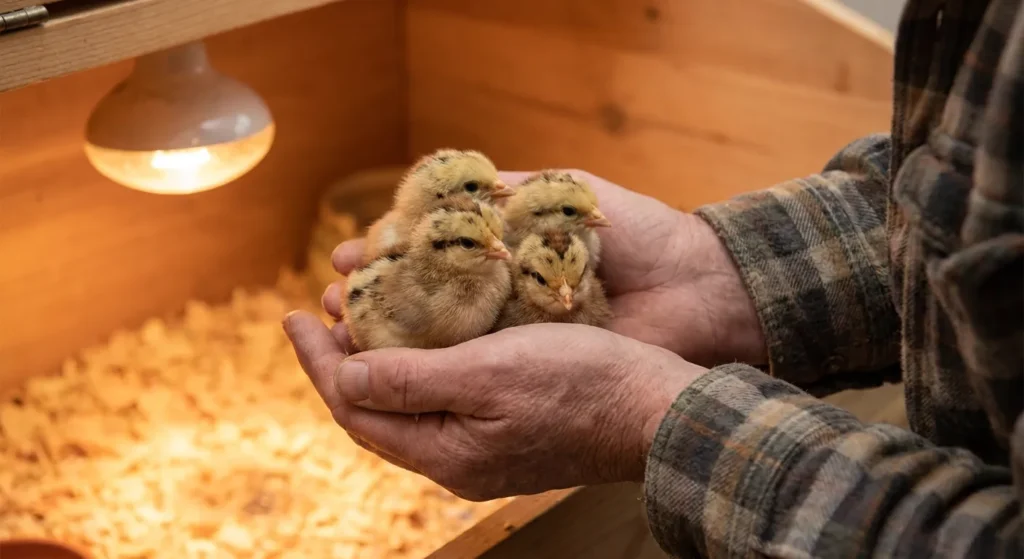
- Prepare your brooder before chick day. Chicks need a warm, draft-free space with a heat lamp or plate brooder, clean bedding, fresh water, and chick starter feed. Have everything ready before they arrive.
- Wait before mixing ages. Introducing young birds to an established flock too early can go badly. Wait until new birds are close to adult size before integration. This is usually done around 8–12 weeks at minimum.
- Handle chicks early and often. Breeds known for friendliness become even friendlier with regular handling from a young age. Spend time with your chicks, and they’ll be far easier to manage as adults.
Choosing the Right Breed for Your Needs
The right beginner breed depends on what you want from your flock.
If egg production is the priority, Australorps and Rhode Island Reds are the top picks. If temperament matters most, especially with kids in the picture, Buff Orpingtons and Plymouth Rocks are consistently recommended.
And if you want something a little different, Easter Eggers bring personality and colorful eggs that make the whole backyard experience more fun.
There’s no single right answer, and many experienced flock keepers end up with a mixed flock of two or three breeds for exactly that reason. Start with what fits your situation, get your setup dialed in, and let the chickens do the rest.