
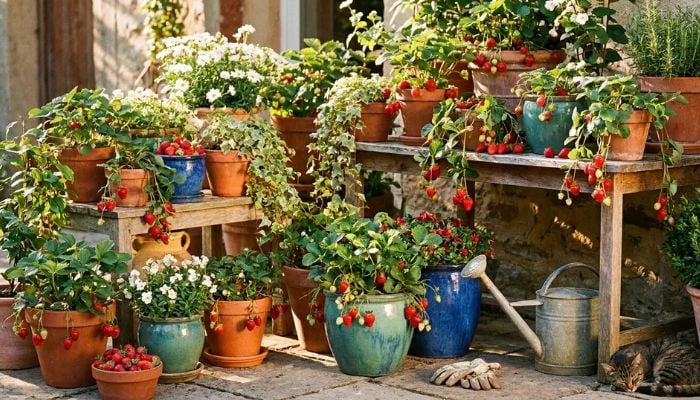
Strawberries are one of the most rewarding crops you can grow in a small space. A single plant can produce a surprising amount of fruit, and with containers, you control exactly what goes into the soil.
When you’re growing strawberries in containers, there are no weeds, no competing grass roots, and far fewer slug problems than a ground-level bed.
Container growing also means flexibility. You can move pots to follow the sun, bring them inside before a hard freeze, or set them up on a balcony, patio, or front stoop where in-ground planting isn’t an option.
There’s one catch: not all strawberry varieties perform equally well in pots, and the wrong container setup can lead to dry plants, poor fruit set, or runners taking over.
This guide covers everything you need to get it right.
Choosing the Right Container
Size matters more than most people expect. A single strawberry plant needs at least an 8-inch-diameter pot to thrive, but bigger is better for moisture retention and root development.
A 12-inch pot can support two plants comfortably, but a wide planter or half-barrel can accommodate five or six.
- Material: Terracotta looks great but dries out fast, so you’ll be watering daily in summer. Plastic and glazed ceramic retain moisture longer and are a better choice if you can’t check on your plants every day. Fabric grow bags have become popular with container gardeners because they air-prune roots and drain well, but they dry out quickly in heat.
- Drainage: This is non-negotiable. Strawberries are highly susceptible to root rot. Whatever container you use, make sure it has at least one large drainage hole, and never let pots sit in standing water. Elevate them on pot feet or a saucer filled with gravel to keep water moving freely.
*If you’re curious about growing strawberries in non-traditional ways, be sure to read our guides covering hydroponic strawberries and aquaponic strawberries for inspiration.
The Three Types of Strawberries and Which One To Choose
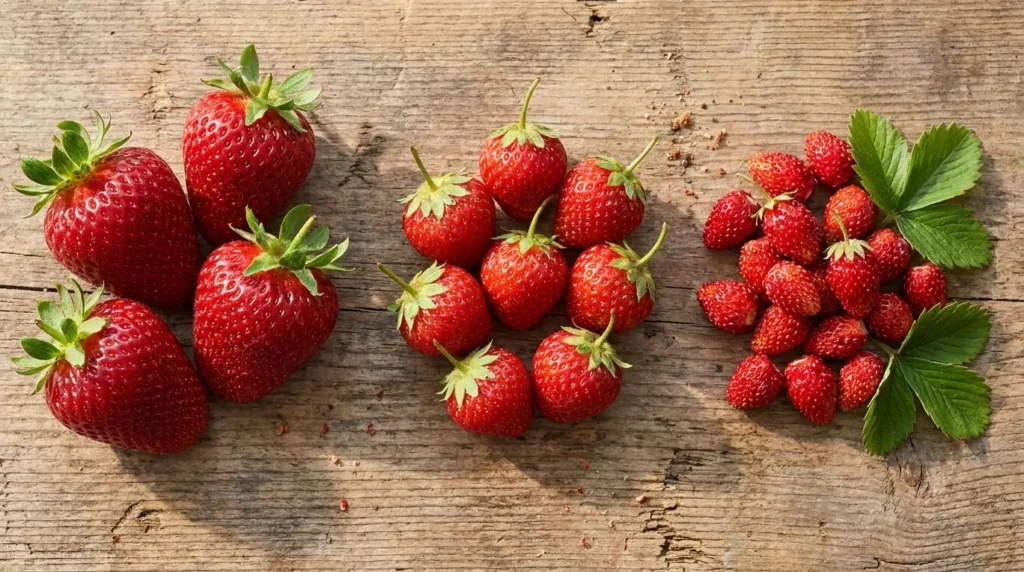
Not all strawberries behave the same way. Before you pick a variety, it helps to understand the three main types and how they fit into a container setup.
June-Bearing Strawberries
June-bearing strawberries produce one large flush of fruit in early summer and then spend the rest of the season sending out runners.
They tend to produce the biggest, most flavorful berries, but the harvest window is short, typically two to four weeks.
In containers, they require more runner management and may need repotting more often as the plant spreads.
Everbearing Strawberries
Everbearing varieties produce two smaller crops, usually one in early summer and another in the fall.
They’re a good middle-ground choice for containers, as they have manageable runners, an extended harvest window, and decent flavor without the intensity of a June-bearer.
Day-Neutral Strawberries
Day-neutral strawberries are the top pick for most container gardeners.
They produce fruit continuously from spring through fall, regardless of day length; they put out fewer runners than June-bearing types; and their compact growth habit suits a pot well.
Varieties such as Albion and Tristar fall into this category, and if you’re new to growing strawberries in containers, day-neutral is where to start.
Best Strawberry Varieties for Containers
- Albion is widely considered the gold standard for container growing. It’s a day-neutral variety that produces large, firm, deeply flavored berries over an extended season. It handles heat better than most and is available as bare-root crowns or transplants at most garden centers in spring.
- Tristar is another excellent day-neutral choice, slightly smaller in berry size than Albion but with exceptional sweetness. It’s more cold-tolerant, which makes it a solid option in cooler climates, and it stays compact enough for smaller pots.
- Alexandria is the variety of choice for alpine strawberries, the tiny, intensely flavored berries that taste like concentrated summer. Alpine types don’t produce runners at all, making them incredibly low-maintenance in containers. They also tolerate partial shade, so if your balcony or patio gets limited direct sun, Alexandria is worth considering. They’re typically grown from seed and take a bit longer to establish.
- Seascape is a reliable day-neutral option for West Coast gardeners, bred for mild coastal climates. It produces steadily throughout the season with firm, flavorful fruit that holds up well.
Note: If you’re considering a strawberry tower planter (the vertical pocket-style containers you’ll see at garden centers), stick with a compact day-neutral or alpine variety. The pockets don’t give roots much room, so a sprawling June-bearer won’t thrive in one.
Soil, Fertilizer, and Watering
Soil Tips for Growing Strawberries in Containers
Don’t use regular garden soil in containers; it compacts, drains poorly, and usually isn’t pH-balanced for strawberries. Use a high-quality potting mix, and adjust from there.
Strawberries prefer slightly acidic soil, ideally between pH 5.5 and 6.5. Many standard potting mixes fall in this range, but blueberry and fruit-specific mixes often work well straight out of the bag.
Add perlite (about 20–25% by volume) to improve drainage, especially if your mix tends to hold moisture.
Fertilizing Container-Grown Strawberries
Strawberries are moderate feeders. Start with a slow-release granular fertilizer mixed into your potting medium at planting time.
Once plants are actively growing and flowering, supplement with a liquid fertilizer every two to three weeks. Look for a formula with a balanced or slightly higher potassium ratio to support fruiting.
Avoid high-nitrogen fertilizers once plants are established; too much nitrogen drives leafy growth at the expense of berries.
Watering Strawberries in Containers
Container strawberries need consistent moisture but not soggy soil. In warm weather, check pots daily.
A wilted plant on a hot afternoon can recover, but repeated drought stress will reduce fruit size and overall set.
If you’re growing several pots, a drip irrigation setup or self-watering containers are worth the investment.
Managing Runners in Containers
June-bearing and everbearing varieties will send out long stems called runners, each tipped with a new daughter plant.
Left unchecked in a container, runners will crowd the pot, compete for nutrients, and reduce fruiting as the plant puts energy into spreading rather than producing.
The simplest approach is to pinch off runners as they appear throughout the growing season. This redirects energy into fruit production and keeps the pot tidy.
If you want to propagate new plants, let one or two runners root into small nursery pots set nearby, and then cut them free once they’re established. You’ll have free transplants ready for next season.
Day-neutral and alpine varieties produce far fewer runners, which is another reason they’re easier to manage in containers.
Overwintering Container Strawberries
This is where container growing gets tricky. Strawberry crowns are cold-hardy in the ground because soil insulates them from temperature swings, but roots in a pot are exposed to air temperatures on all sides.
A plant rated for Zone 5 in the ground may not survive a Zone 5 winter in a container.
The easiest solution in cold climates is to move containers into an unheated garage, shed, or basement once temperatures drop consistently below freezing.
The plants need a cold period to break dormancy, but they shouldn’t be exposed to repeated hard freezes in an unprotected container. Aim for storage temperatures between 20 and 40°F.
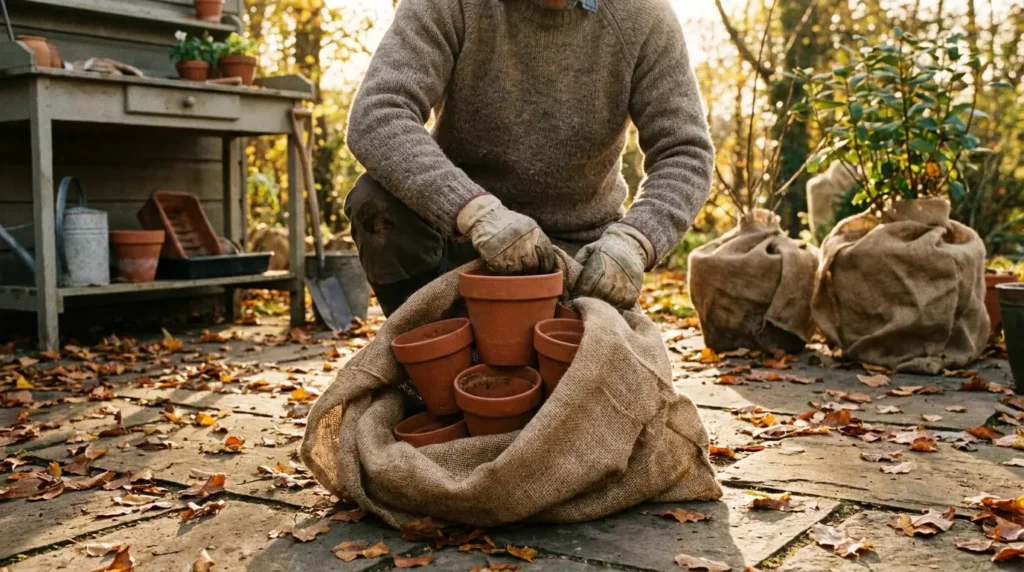
If indoor storage isn’t an option, cluster pots together in a sheltered spot against a wall, wrap them in burlap or bubble wrap, and mulch heavily over the crowns with straw. Don’t leave them fully exposed in an open area.
In Zones 7 and warmer, overwintering is less of a concern. Containers can stay outdoors with minimal protection and light mulching.
Replacing Plants
Strawberries are perennials, but production peaks in years one and two and declines after that.
Plan to refresh your containers every two to three seasons for the best yields. If you’ve been letting runners root, you’ll have replacement plants ready to go.
From Patio Pots to a Full Strawberry Harvest
Container strawberries reward a little upfront planning with months of fresh fruit and no garden bed required.
Choosing the right variety for your climate and container size is the single biggest factor in your success, and day-neutral types such as Albion and Tristar take most of the guesswork out of it.
Strawberries also pair well with other container plants. If you’re planning out a full patio garden, they can grow alongside herbs and annual edibles without competing for space.
Once you’ve got soft fruit in containers dialed in, growing blueberries is a natural next step; they share similar acidic soil preferences and thrive in large containers with minimal fuss.
Start with one or two well-chosen varieties, get your container and soil setup right, and you’ll be picking fruit before summer even peaks.